


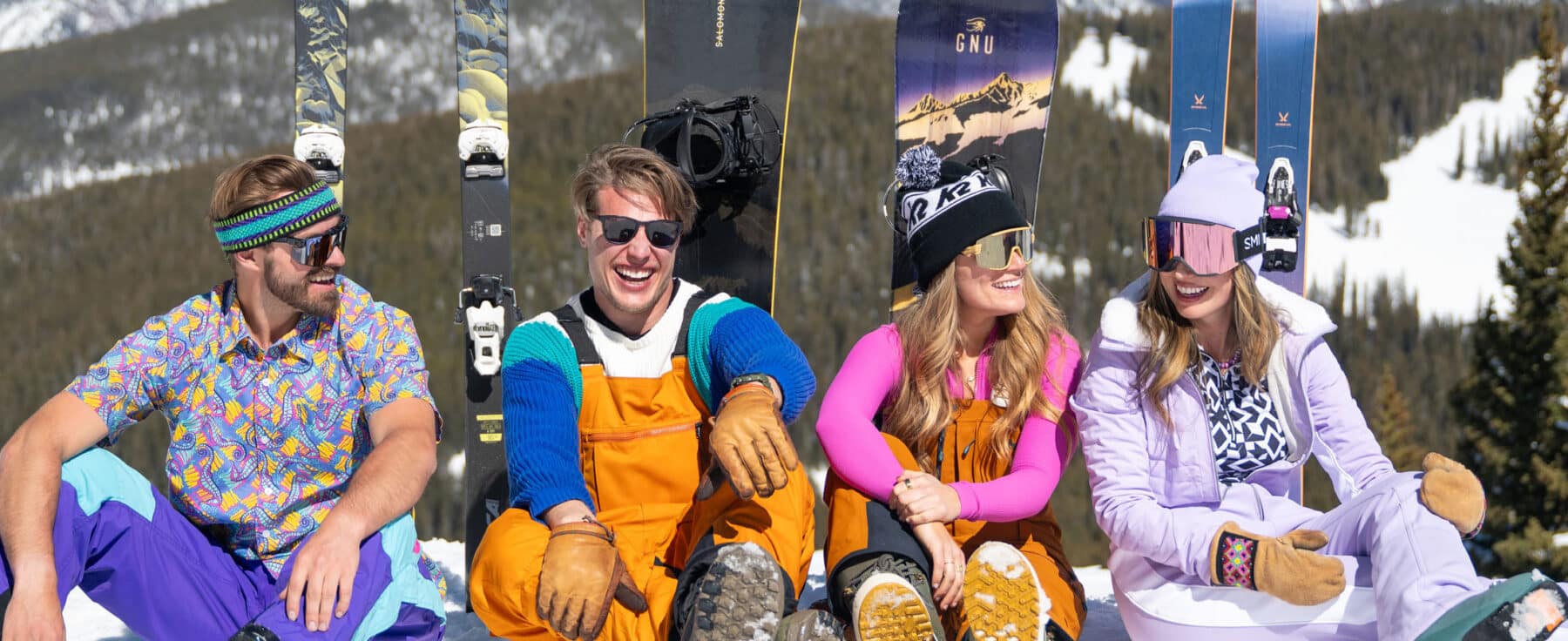

It’s your first trip to Vail? Don’t worry — we’ve got you! From the Legendary Back Bowls on Vail Mountain to shopping on Bridge Street, a little insider knowledge can go a long way. Consider this your cheat sheet for ski terminology, Vail-specific lingo and local etiquette tips this winter.
Terminology You’ll Hear Around Vail
We say “bluebird” a lot in Vail. So, what is a “bluebird ski day”?
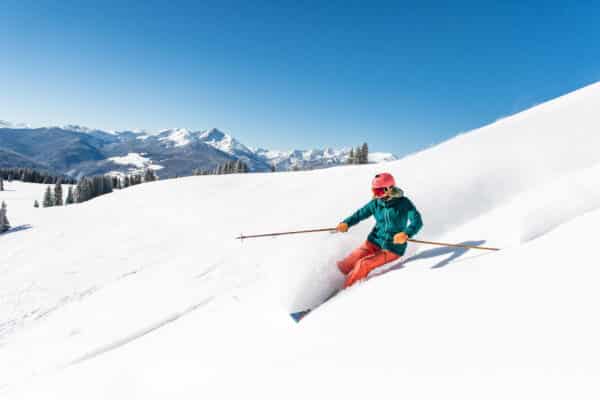
“Bluebird” describes that vivid, almost electric blue sky you’ll see on a crystal-clear day in Vail. We’re talking about the brightest shade of azure imaginable in nature, not unlike the color of a bluebird wing.
The image of “bluebird ski day” is pretty poetic, too. Picture this: You pause for a quick sip of water from your hydration pack and to adjust your goggles. You’re tucked away from ski traffic toward the side of your favorite run, near the trees. The sun warms your face as you gaze up at the mountain-strewn, oh-so-blue backdrop — and a little snow shimmers down from a branch, glittering in the sunlight like airborne diamonds. And that’s why skiers and snowboarders return to our town winter after winter — for a special Vail moment just like this.
What does Mid-Mountain mean?
Mid-Mountain generally refers to the frontside of Vail Mountain. This includes chairs #2, #3 and #4 at the top of Gondola One (#1) — aka “Gondi One” to locals. If you’re meeting a friend taking laps at Mid-Mountain, this is where you can generally expect to find them. Warm up on easy runs like The Meadows or Swingsville. Zip down intermediate groomers like Whistle Pig and Cappuccino off Chair #4 or take an expert run or two off Chair #3 like Look Ma and Challenge.
- See the Vail Mountain frontside map to chart your best route.
What does groomer and corduroy mean?

Groomers are ski runs that are maintained (aka groomed) by snowcats to be smooth and consistently snow-packed. Ski and snowboard terrain classified as green (easy) and blue (intermediate) is most often groomed, and grooming generally happens after lifts stop turning for the day.
Corduroy refers to the perfectly defined ridges on a newly groomed slope. For skiers who love carving down groomers, there’s not much that’s more satisfying than digging your freshly sharpened edges into that fresh corduroy, leaving your mark as you make your best turns, cruising elegantly from top to bottom.
What’s Pepi’s Face?
Pepi’s Face on Vail Mountain is a run named for the celebrated Austrian racer Pepi Gramshammer who was lured to Vail in the 1960s by Vail’s founders, Pete Seibert and Earl Eaton, as part of their quest to make the area a world-class ski destination. Pepi later launched Hotel Gasthof Gramshammer and Pepi’s Restaurant and Bar, which still operates in Vail Village today. Trail 38, located right next to Pepi’s Face, is in fact named for Gerald Ford, who also helped put Vail on the map during his presidency in the 1970s, when he would come out to Vail and ski with Pepi.
- Dig into more Vail history with our Mountain Lore Name Game video and see all our Mountain Lore videos here.
What’s a powder day?
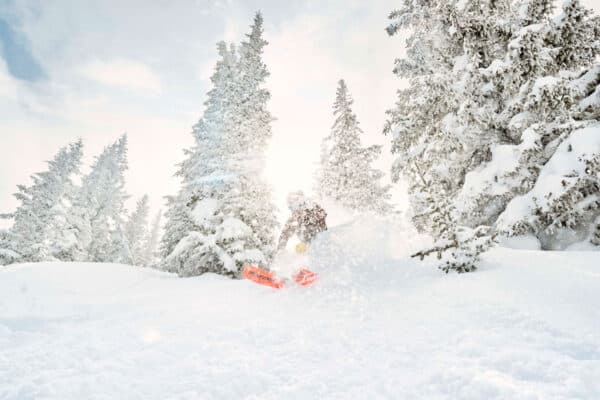
Now, this is important: For skiers and snowboarders in a town like Vail, a powder day is the epitome of true wintry magic. Technically, it’s when 6 inches of snow or more fall overnight — and getting out for the first chair gives you the best chance to float through all that fresh stuff (or “pow,” as locals call it). Even if you can’t make it out early, you can still hunt for hidden stashes of fluffy snow — and keep floating long after the popular zones get “tracked out,” meaning the new snow has been skied through, packed down and is less fluffy.
Which peaks can you see from the top of Vail Mountain?
No matter the season, you can expect to see vast panoramas of the surrounding mountain peaks, including the Gore Range, the Sawatch Range and the celebrated Mount of the Holy Cross, Vail’s closest 14er. For an epic view, ride up Eagle Bahn Gondola (#19) from Lionshead Village. At the top, you’ll find the Holy Cross observation deck, which boasts 360-degree views of the surrounding valley, including a perfect look at Mount of the Holy Cross itself. Depending on the snowfall and time of year, you’ll know it by looking for a snow-filled cross naturally etched into the mountain by the elements.
What does Tyrolean mean? And why is it meaningful to Vail?
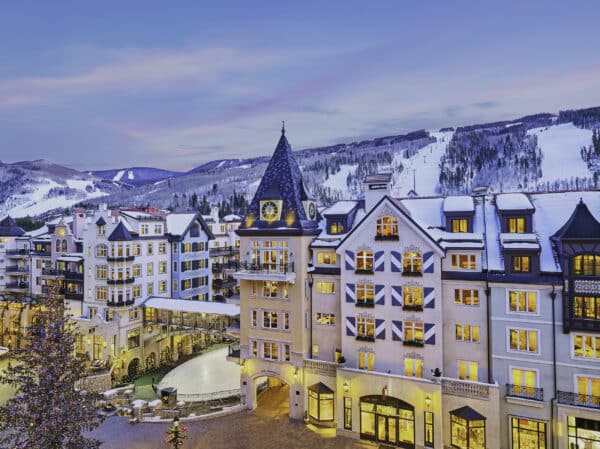
With its steeply pitched rooflines, stone-and-timber details, walkable cobblestone streets, generous balconies and towering windows, Tyrolean architecture is a signature of Vail’s villages. Inspired in part by the resort founders’ time abroad during World War II, Vail embraces an Austrian sensibility that’s rare to find in the United States.
What’s the difference between Vail Village and Lionshead Village?
Vail Village and Lionshead Village share a lot in common: Each is a resort base with gondola access and lift-ticket services, each delivers plenty of off-mountain fun — boutique shopping, local dining and stylish lodging — and both have ice-skating rinks, parking garages and visitor centers. From there, they diverge just slightly in feel. Vail Village is widely considered the main hub, anchored by its iconic covered bridge, while Lionshead feels a bit quieter and more family-friendly; its Tyrolean-inspired architecture lending to the ambiance of a European ski village right here in Colorado.
What’s Bridge Street all about in Vail Village?
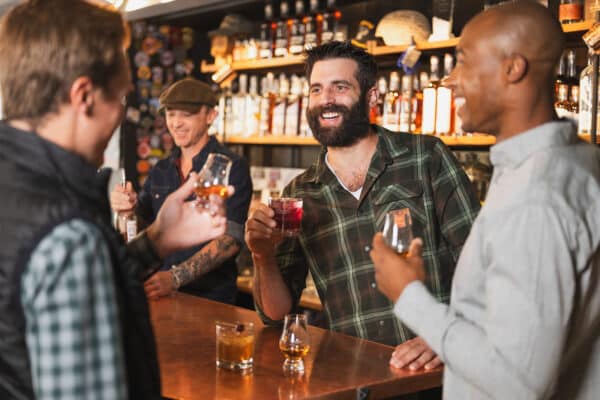
You just heard about Vail Village being the anchor to Vail’s ski-resort experience. Well, Bridge Street is the main road through the village that you walk to get to Gondola One (#1). From hallmark stops like Kemo Sabe and 10th Mountain Whiskey & Spirits to namesakes like Bridge Street Bar to the Bridge Street Fountain, this thoroughfare earns ample foot traffic no matter the season — and you’re going to be part of it.
What’s an Epic Pass and how do I get one?
You’re probably like “Bro, I already know what an Epic Pass is,” but just in case you’ve never heard of it — this is your ski pass at Vail Resorts ski destinations, of which Vail Mountain is a shining star. If you aim to ski or snowboard this winter, an Epic Pass purchase ensures you can get on the mountain whenever you like and you’ll reap rewards and deals, including summer access.
What are the Legendary Back Bowls and why are they so celebrated?
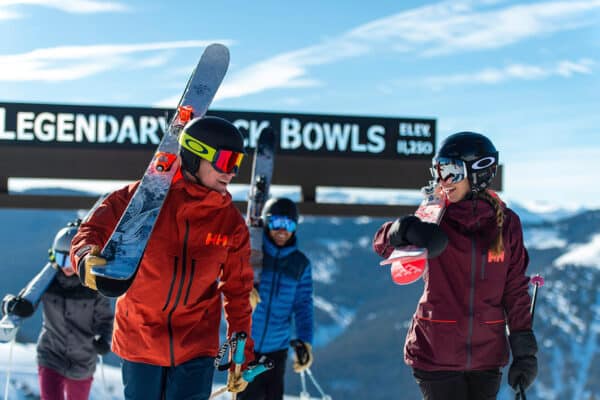
In 1957, Vail Mountain’s co-founders Seibert and Eaton hiked seven hours through snow to the summit and stared out at what would become the Legendary Back Bowls. Today, seven bowls and 2,785 skiable acres deliver a vast offering of terrain perfect for strong skiers and snowboarders (intermediate up to expert) — and it is the place to be on powder days. Sun Down Bowl is steeper and less traveled. China Bowl pairs wide-open turns with expansive summit views, while Siberia Bowl brings low-angle glades, cliffs and steeps, including Rasputin’s Revenge, one of Vail’s toughest runs. Sun Up Bowl blends smooth groomers with thrilling tree lines. Or head to Tea Cup Bowl to play among tight aspens and small cliffs. Inner and Outer Mongolia bowls invite you to experience the feeling of backcountry in-bounds with expert terrain and the promise of powder after storms.
What does “ski bumps” mean?
Skiing bumps is pretty much exactly what it sounds like: You’re working your way through a mogul field, turning over the tops of the bumps or weaving around them, depending on your speed and line.
So what are moguls? They’re the rounded bumps that form on ski runs, created naturally as skiers make repeated, sharp turns in the same spots.
On Vail Mountain, you’ll find moguls on intermediate (blue) and advanced (black) runs, especially near Highline Express Lift (#10), though they exist in many places across the resort’s landscape.
Vail Safety Terminology
What is Colorado Ski Country USA’s Your Responsibility Code?

Whether you’re new to skiing and riding or you’ve been shredding for years, following Your Responsibility Code will help keep everyone safer on the mountain. Guidelines include staying in control, yielding to skiers and riders downhill (and those ahead of you), and checking that all your gear is secure before you drop into a run. See the full list and, when in doubt about a rule or recommendation, ask a Vail Mountain ski-resort employee for tips.
What does Double Black Diamond mean?
Understanding how ski runs are rated — from beginner to expert — will ensure you stick to the terrain you’re most comfortable with. Ski runs are marked with clearly visible signs featuring colored symbols to show difficulty: Green Circle is the easiest, Blue Square means intermediate and Black Diamond is advanced — so Double Black Diamond means expert/extreme. Before dropping into a Double Black, be sure your skills match the terrain.
What does backcountry mean?
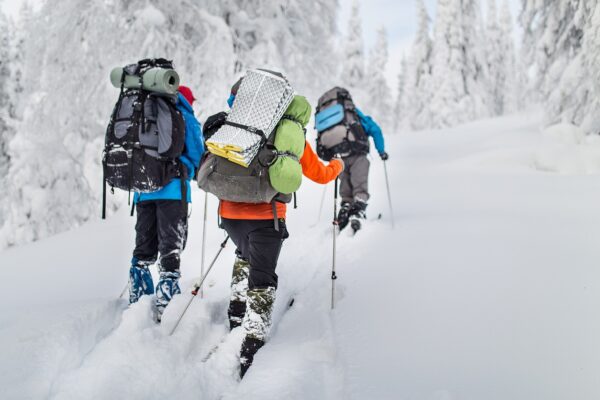
A winter backcountry day can be a dream experience for some, but it comes with real avalanche and terrain hazards because the landscape is unmanaged. Inside a resort area, ski patrol works tirelessly to reduce risks like avalanches and obstacles. These are protections you won’t have once you’re “out of bounds,” or in the backcountry. This means paying attention to signs at the ski resort telling you to “Stay In-bounds,” so you stick to terrain patrolled by Vail Mountain staffers.
Insider Tip: Skip the backcountry unless you’re trained and have the proper equipment — or head out with a certified guide, who will provide you with all the tools and knowledge you need.
Why do people talk about the elevation in Colorado, especially around Vail?
Colorado is the highest-elevation state in the U.S., and the elevation of Vail — 8,150 feet above sea level to be exact — is getting up there. When you arrive from lower elevation, we recommend drinking lots of water, going easy on alcohol and scheduling a little relaxation time on the front side of your trip to acclimate.
Local Etiquette: Insider Tips to Help You Feel at Home
What’s the best way to navigate a lift line at Vail Mountain?

When navigating a lift line, we always recommend keeping things moving. That means phones are put away, your pole straps are off your wrists and you’re ready to load. Pair up into groups of four or six (depending on the chair), and take turns merging so the line flows smoothly. If you’re a duo, join another small group; if you’re solo, use the singles line on bigger lifts like Mountaintop Express (#4) to help fill every chair.
Want to meet your friends at the base of Vail Mountain? You’ll need to ask which one.
Your friend telling you, “Let’s meet at the base,” won’t get you very far in Vail. You’ll need to know which base area they want to meet at — Lionshead Village, Vail Village or Golden Peak — to ensure it’s not a missed connection. Oh, and tell them what color your jacket is!
Where are the best places to eat while skiing Vail Mountain?
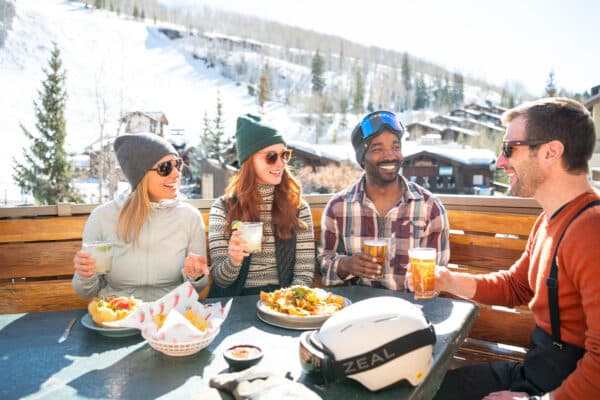
It really depends on what your heart desires. That’s the beauty of how close Vail Mountain is to the villages. You can eat up top or come down for lunch, then head back up when you’re done. On-mountain options include Mid Vail, Wildwood Smokehouse, Two Elk Lodge, The 10th and more. Or find your favorite village spot — Garfinkel’s in Lionshead is always a classic for lunch or après when you’re done skiing for the day.
What’s CDOT? And here’s why you should use it to see if Vail Pass is open.
CDOT stands for Colorado Department of Transportation and its live cameras give real-time views of I-70 conditions, including the Vail Pass camera so you can check if Vail Pass is open or if traffic closures are affecting your route. If you’re driving to Vail, use CDOT’s maps.cotrip.org for traffic closures and live camera feeds to see if Vail Pass is closed or open right now. The locals love this app, and soon you will, too.
What’s the best way to après-ski in Vail?
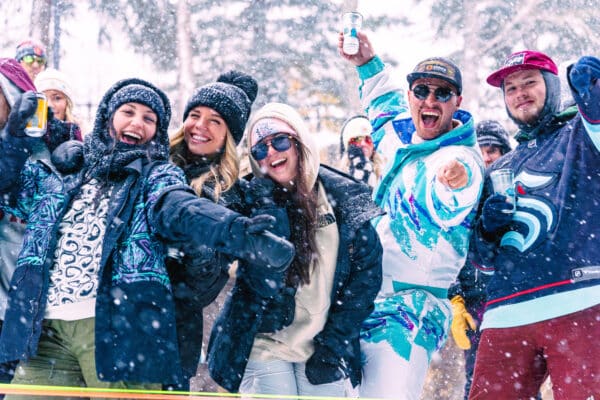
Après-ski happens after your last run: the final ski or snowboard trip down the mountain. And it doesn’t have to be boozy to count. A cocoa drink from the Hot Chocolate Trail is a perfect option. Après is all about post-ski togetherness, swapping stories from the day and unwinding with whatever snack or drink you love — best enjoyed with a big mountain view.